


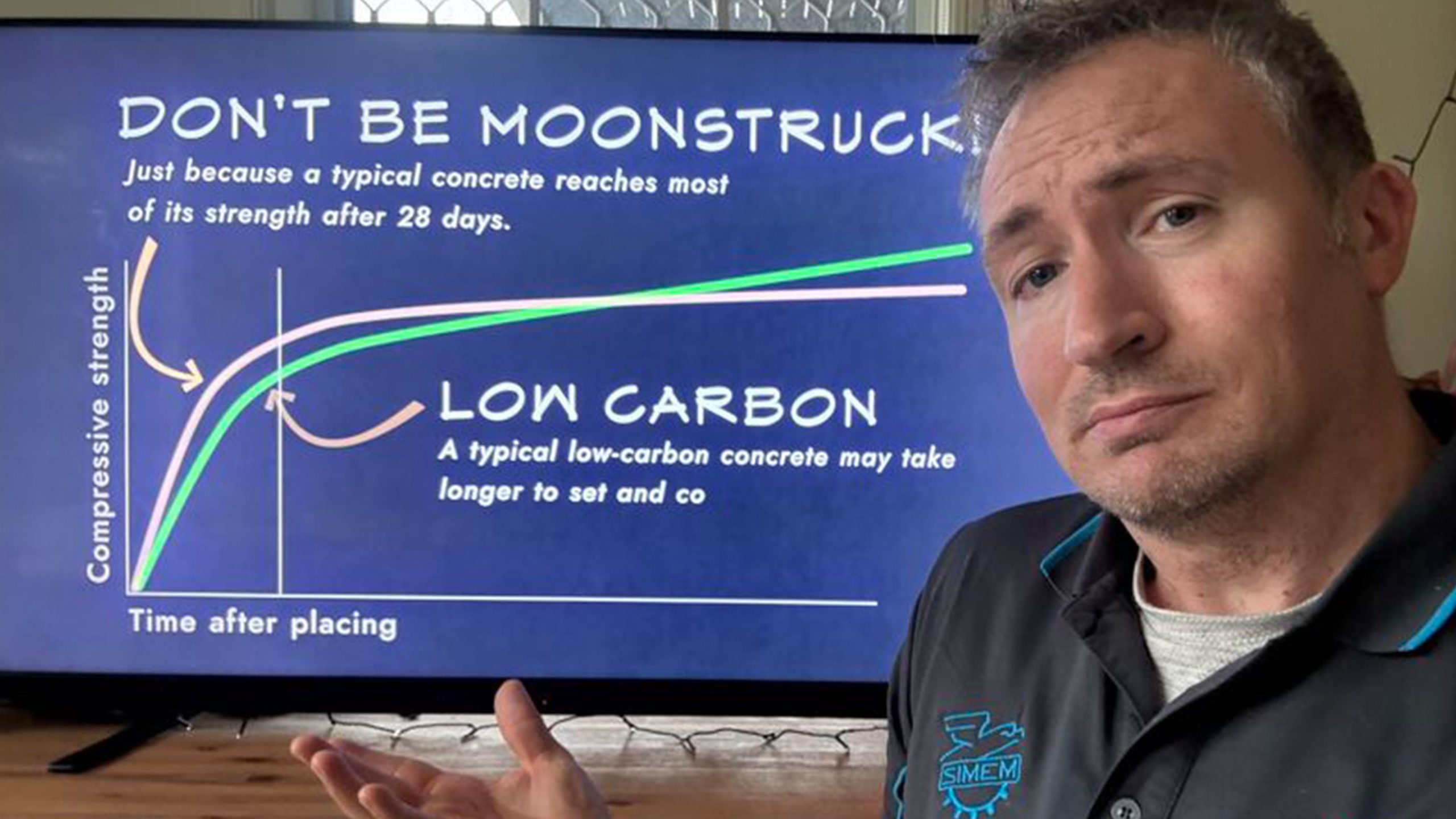
At PrimeBatch, we’re always looking at ways to deliver more sustainable solutions for the construction sector. One topic generating a lot of discussion is low carbon concrete—but what does that really mean?
How Much Carbon is in Standard Concrete?
The carbon footprint of concrete is closely tied to its cement content. While aggregates, water, and admixtures contribute only marginally, cement is the major factor.
-
Typical cement content: 300–400 kg per m³
-
Carbon footprint: 0.8–0.9 kgCO₂ per kg of cement
-
That equals roughly 280–315 kgCO₂ per m³ of standard concrete.
How Do We Reduce It?
The leading strategies include:
-
Supplementary Cementitious Materials (SCMs)
Fly ash, slag, silica fume, or calcined clay can displace cement by up to 50%, dramatically lowering emissions. -
Fibres in the mix
Using steel, synthetic, or glass fibres can reduce rebar requirements and overall cement content. -
Optimising mix design
Asking whether the structure really requires higher-strength concrete (e.g., 40 MPa vs. 25 MPa) can avoid unnecessary cement use. -
Plant energy efficiency
Regular energy audits and equipment upgrades, such as replacing old compressors, help reduce indirect emissions. -
Localising the supply chain
Sourcing raw materials closer to the plant cuts transport-related emissions.
So, What Defines “Low Carbon Concrete”?
There isn’t yet a universal threshold. Some suggest a benchmark such as <200 kgCO₂ per m³—but the industry is still debating. What’s clear is that when someone calls their concrete low carbon, the key question is: “How low?”
At PrimeBatch, we’re working with our partners Simem Group and FMS Group to bring next-generation ready-mix, precast, and underground concrete solutions to the Australian and PNG markets—always with an eye on sustainability.
Learn More
To find out more Simem solutions available through PrimeBatch, get in touch with our team today.